All case studies
Defence & AI2022

Project GARRISON

AI-Augmented HRMS for Defence Personnel

Offline-first HR management platform for 12,000+ personnel at a classified defence installation, with AI-powered scheduling and performance analytics.

Headline outcome

12,000+ users · 80% reduction in scheduling time · zero cloud dependency

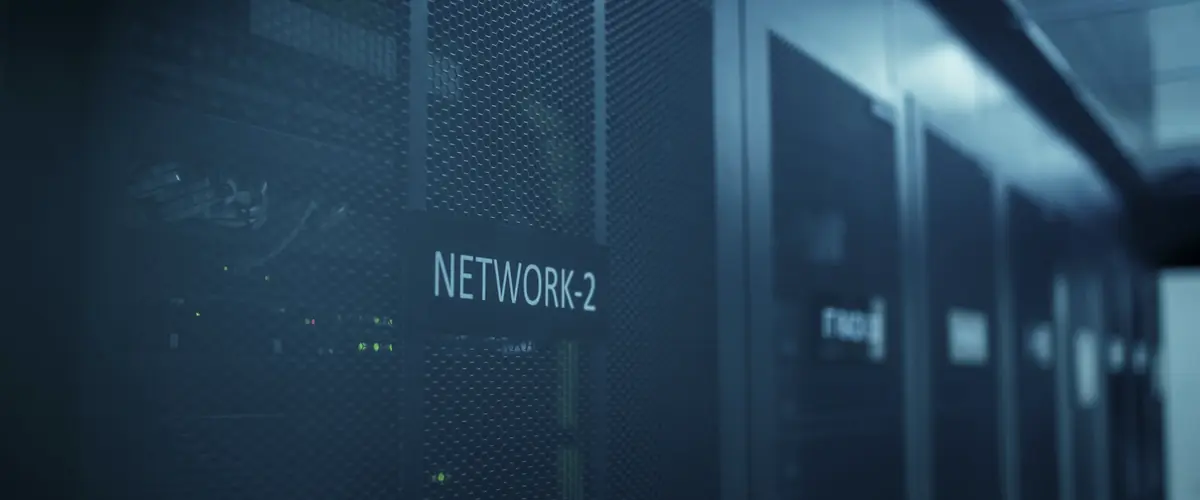
A darkened aisle between network racks, one cabinet labelled by hand
Illustrative photography. No imagery on this site is from a client environment.
DjangoReact NativeBiometric IntegrationLAN-onlyAI SchedulingPostgreSQL

Overview

Managing 12,000+ personnel across a classified installation required a sophisticated HRMS that could handle duty rosters, leave management, performance tracking, and promotions — all without cloud connectivity.

Challenge

The existing system was a patchwork of Excel spreadsheets and legacy Windows applications. Data integrity was a constant problem. No internet access meant no SaaS HR tools. The new system had to integrate with biometric hardware and comply with stringent data classification requirements.

Solution

We built a Django-based HRMS running on an on-premise server with React Native mobile apps for field use. AI-powered duty scheduling reduced manual roster planning by 80%. Integrated with fingerprint and face-recognition biometric hardware over LAN. Automated reporting and promotions workflow.

Outcome

Deployed to 12,000+ active users. Duty scheduling time reduced from 4 hours to 18 minutes per cycle. Zero paperwork for standard HR operations. Now the primary HR system for the installation.

Measured

12,000+
personnel on the platform
80%
reduction in scheduling time
Zero
cloud dependency
2022
in service since

The constraint that shaped it

Twelve thousand people, and no cloud. No managed identity provider, no hosted push, no SaaS HR module, no remote support session — each one an assumed convenience that a LAN-only estate simply removes. So identity, scheduling, biometrics, reporting and backup all had to be built inside the perimeter and operated by administrators employed there. Offline-first was not a feature of GARRISON. It was the precondition for it existing at all.

How it was built

The migration was the project

What GARRISON replaced was a patchwork of spreadsheets and legacy desktop tools, and the risk was never the new interface. It was moving years of personnel history into a schema without losing any of it. Records were validated at the point of entry and had to reconcile against their source before the new schema could be treated as the record. A record with no verifiable history is worse than a spreadsheet, because people stop arguing with it. That constraint set the data model before a single screen was designed.

Scheduling a duty officer will accept

The scheduler proposes; a person approves. It weighs availability, leave, qualification and the previous cycle, produces a roster in one pass, and shows why each assignment was made — because the first question anyone asks about an automated roster is why they are on it. That inspectability is why the scheduler is used rather than worked around, and the 80% reduction in planning time follows from that. An officer who can interrogate and override a proposal will use it. One who cannot will quietly go back to the spreadsheet.

Field use on a network with no outside

Mobile use is offline-first by necessity: the application holds its own state, works with no link to the server, and reconciles when the device rejoins the internal network. Biometric readers are integrated over the LAN rather than through a vendor cloud, so attendance and access never depend on a service that cannot be reached from here. At 12,000+ users a sync conflict is not an edge case, so resolution rules are explicit and a contested record is surfaced to a human rather than silently overwritten.

Operable by the people who own it

There is no remote support path into a LAN-only estate, so the platform had to be diagnosable and restorable by its own administrators. Roles are enforced rather than advisory, actions are written to an audit trail, and backup, restore and incident procedure are documented for the staff who will run them at two in the morning. Handover included training records, not only a manual. The measure of the work is that it keeps running with nobody from Artikate in the building.

Stack, by concern

Platform

DjangoPostgreSQLAI-assisted scheduling

Mobile & field

React NativeOffline-first sync

Identity & access

Biometric integrationRBACAudit trail

Deployment

LAN-onlyOn-premiseZero cloud dependency